The venue determines what's practical, appropriate, and flattering in photos. Get the setting right first — fabric, hemline, and formality all follow from there.
Key Takeaways
- Start with the venue — it determines fabric weight, hemline length, and formality before anything else.
- Beach weddings need lightweight fabrics and shorter hemlines; heavy fabrics and floor-length gowns are impractical on sand.
- Church weddings often expect shoulder coverage — a coordinating wrap solves this even if your dress is sleeveless.
- Garden weddings favor flowing fabrics and hemlines that clear the ground, with block heels for soft terrain.
- Formal ballroom weddings are the one setting where floor-length, structured gowns are the clear standard.
Your dress choice doesn't happen in isolation — it happens in a specific place, at a specific time of day, in front of a specific backdrop. Getting the venue right first makes every other decision easier.
This guide covers the most common wedding settings and what works best in each. For guidance on coordinating with the overall wedding aesthetic, see how to coordinate with the wedding theme.

Why Venue Matters for Your Dress Choice
Four things shift depending on the setting: the physical environment you'll be moving through, any cultural or religious expectations, the photographic backdrop, and the overall formality level.
A dress that addresses all four will look and feel right in a way that a purely aesthetic choice sometimes doesn't.
For a broader look, venue-appropriate wedding attire from The Knot is worth reading alongside this guide.
Beach Wedding Mother of the Bride Dresses
Wedding industry data shows beach weddings have increased 40% since 2020, making them the fastest-growing venue choice. The environment — sand, sun, ocean breeze, warm temperatures — requires a specific kind of practicality.
- Fabric
Lightweight, breathable fabrics are essential. Chiffon, lightweight lace, and cotton blends move naturally in coastal breezes. Avoid structured satins — they photograph stiffly and feel uncomfortable in warm weather.
- Hemline
Tea length and midi dresses are the most practical choice, offering elegance without a full-length skirt trailing through sand.
- Footwear
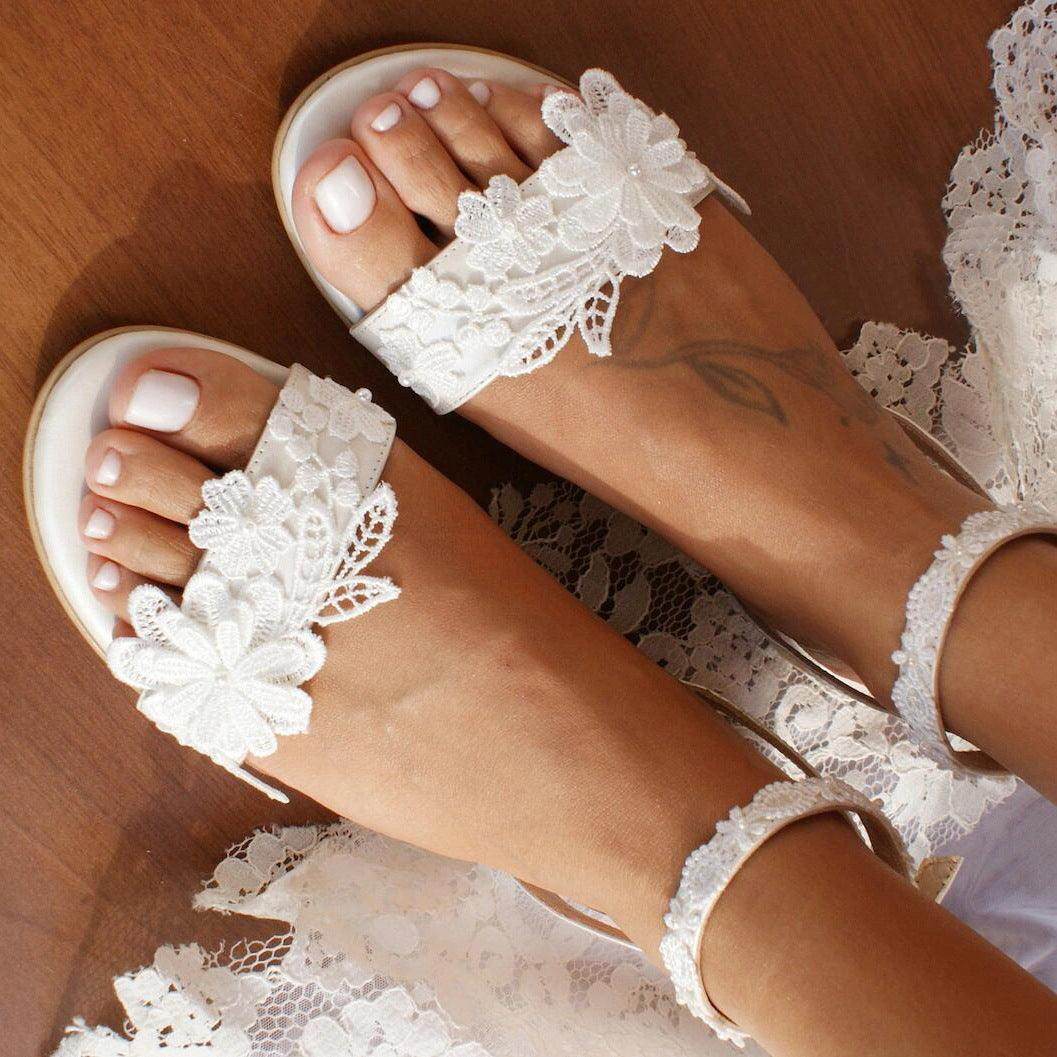
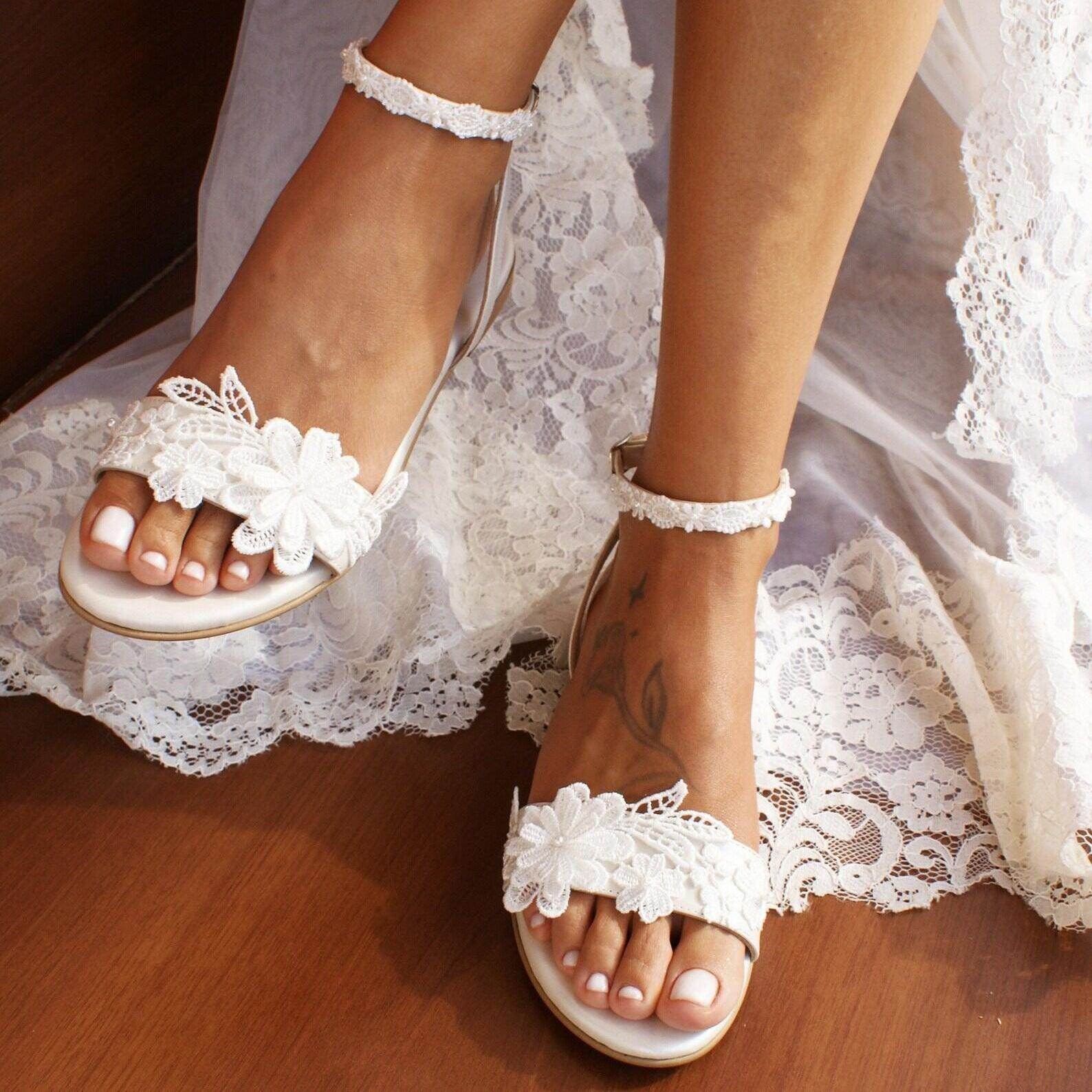
Dressy sandals, wedges, or elegant flats are far more comfortable than stilettos across a longer event.
- Weather
A coordinating wrap in a lightweight fabric handles sun, wind, and cooler evening temperatures — and adds polish for photos.
For additional beach wedding considerations, a beach wedding style guide from Brides is worth reviewing.
Church Wedding Mother of Bride Dresses
Church weddings vary by denomination, but most lean toward conservative attire. Based on Cocomelody's experience dressing mothers for religious ceremonies:
"Seventy percent of church weddings prefer modest necklines and some form of sleeve coverage."
- Modesty
Many churches, especially Catholic and Orthodox denominations, expect necklines that don't plunge too low, some shoulder coverage, and modest hemlines. If you're uncertain, check with the officiant in advance.
- Sleeves
A coordinating jacket, wrap, or shawl provides ceremony coverage without limiting your dress options — many mothers remove it for the reception. Long sleeve dresses offer a built-in solution.
- Formality
Church weddings tend to run more formal than outdoor settings. Floor-length gowns are standard, though tea length works for less formal ceremonies.
Garden Wedding Mother of Bride Dresses
Garden settings reward lighter fabrics and relaxed silhouettes, but terrain is easy to overlook.
- Hemline
Plan for a hemline that clears the ground by at least an inch — this prevents tripping on garden paths and keeps the dress looking clean.
- Fabric
Chiffon, soft lace, and flowing crepe move gracefully outdoors and photograph well in natural daylight.
- Color
Soft pastels, sage green, and floral prints complement natural surroundings and photograph well against greenery. For more on color choices, see what color should the mother of the bride wear.
- Terrain
Block heels or wedges won't sink into soft ground. Heel protectors add extra stability throughout the event.
Ballroom and Formal Wedding Mother of the Bride Dresses
Formal venues — ballrooms, grand estates, black-tie receptions — are where elevated elegance is expected.
- Formality
Floor-length gowns in luxurious fabrics are the standard. Structured silhouettes in navy, champagne, or black all read appropriately for the occasion.
- Fabric
Satin, silk, heavy lace, and brocade have the weight and drape formal settings demand. Lighter fabrics can feel underdressed in a grand space.
- Length
Tea length is generally too casual for black-tie events unless the couple has indicated otherwise.
Formal ballroom weddings are the one setting where floor-length gowns in structured fabrics are the clear standard.
Barn and Rustic Wedding Mother of the Bride Dresses
Rustic venues call for elegance that doesn't look out of place against exposed wood and wildflower arrangements.
- Formality
Cocktail or semi-formal is the right range — elegant fabrics in relaxed silhouettes. Think chiffon, lace, and crepe rather than structured satin.
- Footwear
Block heels, wedges, and dressy flats work well on uneven ground. Stilettos catch in floorboards and are uncomfortable on soft terrain.
- Weather
Temperature variation between afternoon and evening is common. A coordinating wrap handles cooler hours, and wrinkle-resistant fabrics make travel easier.
Destination Wedding Considerations
- Travel-friendly fabrics
Chiffon, jersey, and matte crepe resist wrinkles in transit. Structured satins and heavily embellished styles are harder to pack.
- Climate
Research typical weather during the wedding month — temperature and humidity affect which fabrics will be comfortable.
- Cultural sensitivity
Some international venues have specific dress expectations. A quick check with the couple avoids last-minute adjustments.
When the Ceremony and Reception Are at Different Venues
Choose a dress suited to the more formal setting, then adapt with accessories — a wrap for the church, statement jewelry for the reception.
Frequently Asked Questions
Can I wear a long dress to a beach wedding?
A very lightweight, flowing chiffon can work, but tea length and midi silhouettes are easier to manage on sand and are the more practical choice.
Do I have to cover my shoulders for a church wedding?
Many churches prefer or require it, particularly for Catholic and Orthodox ceremonies. A coordinating wrap or jacket handles this for the ceremony. When unsure, check with the officiant.
What shoes work best for outdoor weddings?
Block heels or wedges for garden and barn venues — they won't sink into soft ground. Dressy sandals or wedges for beach weddings. Stilettos are impractical on sand or uneven terrain.
How formal should I dress for a barn wedding?
Cocktail or semi-formal — chiffon, soft lace, and crepe in relaxed silhouettes. Avoid very formal ball gowns that look out of place against rustic surroundings.
Can I wear the same dress to the ceremony and reception at different venues?
Yes. Choose for the more formal setting, then adjust with accessories.
What is the best mother of the bride beach wedding outfit?
A tea length or midi dress in chiffon or lightweight lace — practical on sand, comfortable in heat, and polished in photos. Wedges or dressy sandals over stilettos.
What should an outdoor wedding mob wear?
Lightweight fabric, a hemline that clears the ground, and block heels or wedges. Add a coordinating wrap for temperature shifts between afternoon and evening.
Dressed for the Setting — Shop at Cocomelody
Cocomelody's mother of the bride collection covers every venue, from lightweight styles for outdoor and beach celebrations to structured gowns for formal evenings. Tea length dresses are a strong starting point for outdoor settings, and the custom made option lets you dial in fabric and fit. Browse the full collection to find the right dress for your day.
Further Reading: How To Choose Mother of the Bride Dress: The Complete Style Guide