Choosing a wedding dress comes down to four decisions, in this order: occasion, venue, and formality; silhouette, fit, and movement; fabric; and budget and timeline. Start with the day itself, let it narrow the shape, then choose a fabric and plan how and when you buy. It is a practical framework, not a rule.
Key Takeaways
- Choosing a wedding dress comes down to four decisions: occasion, venue, and formality; silhouette, fit, and movement; fabric; and budget and timeline.
- Start with the occasion, venue, and formality, then use silhouette and fit to narrow the options, rather than picking a shape first.
- This four-part framework is COCOMELODY's practical starting point, not the only right order for every bride.
- Custom sizing gives you a closer starting fit than a standard size, but you should still plan for possible final alterations.
If you have just started looking, the hardest part of learning how to choose a wedding dress is knowing where to begin. There are hundreds of styles, a dozen fabrics, and a size chart that often doesn't match the number in your jeans.
After more than 21 years fitting brides, we have found the search gets far simpler once you stop shopping by picture and start deciding by structure. Four decisions do most of the work, and getting them in order is what turns a scroll of pretty pictures into a short list.
The 4 Decisions Behind Every Wedding Dress
Choosing a wedding dress comes down to four decisions: occasion, venue, and formality (what the day calls for); silhouette, fit, and movement (the gown's shape and how you wear it); fabric (how it feels and photographs); and budget and timeline (how and when you buy). COCOMELODY treats them as a practical framework, not a fixed rule.

Most wedding dress questions fold into one of these four decisions. You do not need to answer all four at once, but it helps to know they exist, because a choice you make in one narrows the others.
Occasion, Venue, and Formality: Match Your Wedding Dress to the Day
Formality is set by your venue and time of day, and it quietly shapes your fabric and length. A cathedral train suits an evening ballroom; a tea-length dress suits a garden lunch or a city-hall appointment.
Pick a formality level that matches where you are actually getting married, not the most formal gown you can find. For reading a venue's dress code, Martha Stewart Weddings is a helpful reference.
A floor-length gown that looks perfect in the salon can drag through sand or catch on courthouse steps. Read up on what to wear to a courthouse or city-hall ceremony if your day is small and official, or beach and destination dress lengths that travel well if it is not. For a shorter second dress at the party, see little white and reception dress options.
Silhouette, Fit, and Movement: The Wedding Dress Shape That Works for Your Day
Silhouette is the overall shape of the gown, and it is one of the choices that most affects how a dress looks and how it wears:
- A-line: fitted through the bodice, then skims out to the hem; one of the easiest shapes to move in.
- Mermaid or trumpet: fitted through the hip, then flares lower down; a closer, more figure-following shape.
- Ball gown: a defined waist with a full skirt; often the most formal and dramatic option.
The shape you pick often affects how you sit, walk, and dance more than the lace or beading on top does. For a visual tour of the main shapes, the editors at Brides keep a running silhouette guide worth a look.
A mermaid gown and an A-line can photograph beautifully on the same body, but only one lets you climb a flight of stairs without planning it first. If you are weighing shapes, start with a plain-language breakdown of the main wedding dress silhouettes and who they suit, then compare the two most-asked-about fitted shapes in mermaid versus trumpet fit and feel.
A-line is COCOMELODY's most commercially proven silhouette in our 2026 year-to-date data, so it is worth understanding why A-line works across so many weddings before you rule anything out.
Fabric: How Your Wedding Dress Feels, Moves, and Photographs
Fabric affects the weight, the drape, and how a gown reads in photos and in person:
- Lace: adds texture and detail.
- Tulle: adds softness and volume.
- Satin: gives a smooth, structured line.
- Chiffon: stays light and airy in warm weather.
The same silhouette in two different fabrics can feel like two different dresses. Satin and mikado, for instance, can look similar on a screen, yet feel quite different once you are standing in summer heat.
Before you commit, learn how lace, tulle, and satin actually compare when you wear them, or go deeper on weight, stretch, and care in a full wedding dress fabric guide.
Budget and Timeline: How Much a Wedding Dress Costs and When to Buy
According to The Knot's annual wedding survey, the average U.S. wedding dress costs around $1,900. Your budget shapes the path more than the style: less runway favors ready-to-ship, more runway allows custom and alterations.
Budget and timeline work together to determine how and when you buy. Set a realistic range early, because it decides how you shop and how much time you leave yourself. Here is a part many brides underestimate: a custom gown usually has to be ordered months, not weeks, ahead, since production and alterations each take time, and leaving it late often means rush fees or choosing from what is in stock.
To see how early to begin, read [when to start shopping and how far ahead to order your wedding dress]. Once the gown arrives, our guide to wedding-dress alteration costs and timelines can help keep the fitting stage from catching you off guard.
Which Wedding Dress Decision Should Come First?
Start with your occasion, venue, and formality, then use silhouette and fit to narrow the options. Fabric comes next, followed by budget and timeline. It is COCOMELODY's suggested order, not a rule.

COCOMELODY's suggested order runs like this:
- Occasion, venue, and formality: what the day itself calls for.
- Silhouette, fit, and movement: the shape that suits the day and how much you need to sit, walk, and dance.
- Fabric: chosen for your season and the look you want.
- Budget and timeline: which shape how and when you buy.
Starting from the day rather than the dress helps keep brides from falling for a shape that fights the venue or the way they want to move. It is a starting point that has worked for many brides, not the only right path.
Wedding Dress Sizing and Fit: What "Made to Measure" Really Means
Custom sizing gives an online bride a better starting fit, but it does not guarantee that no final alterations will be needed.
Bridal sizing is where online shopping worries many brides, so it is worth clearing up early. "Made to measure" means a gown is cut to your measurements rather than pulled from a standard size run: it starts closer to your body than a stock size, though it is not the same as full couture.
Bridal sizes often run smaller than everyday clothing sizes, so the number on the tag may not be the size you expect. Ordering to your own bust, waist, hip, and height is why accurate measurements matter more than the size number, and it is also why leaving room for a final fitting still makes sense.
For the full measuring process, size equivalents, and how to judge whether an online retailer is trustworthy, see how to buy a wedding dress online with confidence.
How COCOMELODY Helps You Choose a Wedding Dress
Our guidance comes from two places at once: fitting brides, and designing, making, and customizing the gowns ourselves. Over the years we have dressed more than 100,000 brides, and every gown can be made to order in both size and color.
Before a gown joins the line, our team weighs it across real bride demand, silhouette and occasion coverage, fabric and construction quality, size and customization feasibility, and production reliability. That filter is why the four decisions above map onto what we actually stock: we have already done the sorting.
Recurring concerns in our customer feedback include choosing a gown from model photos alone without thinking through real fit, length, and how much movement the day needs; underestimating how different a fabric's weight, lining, and hand feel in person versus on screen; and starting the search too late to leave room for changes. The framework in this guide exists to head those off before they cost you.
Your Complete Wedding Dress Guide: Styles, Body Types, Venues, and Budget
The decisions above are the map. When you are ready to go deep on one, these guides pick up where each decision leaves off.
More styles to explore. Once you have a silhouette in mind, narrow the look:
- boho wedding dresses for relaxed, free-spirited gowns
- [simple and minimalist wedding dresses] when fabric and cut do the work
- [modest and long-sleeve styles] for more coverage
- bridal jumpsuits and rompers if a gown is not your only option
Color and detail. After the shape, the finishing choices:
- wedding dress colors: white, ivory, or bold to decide on a shade
- can you wear black to your wedding and [black and ivory two-tone gowns] for non-traditional color
- [gothic and dark-theme wedding ideas] for a full dark palette
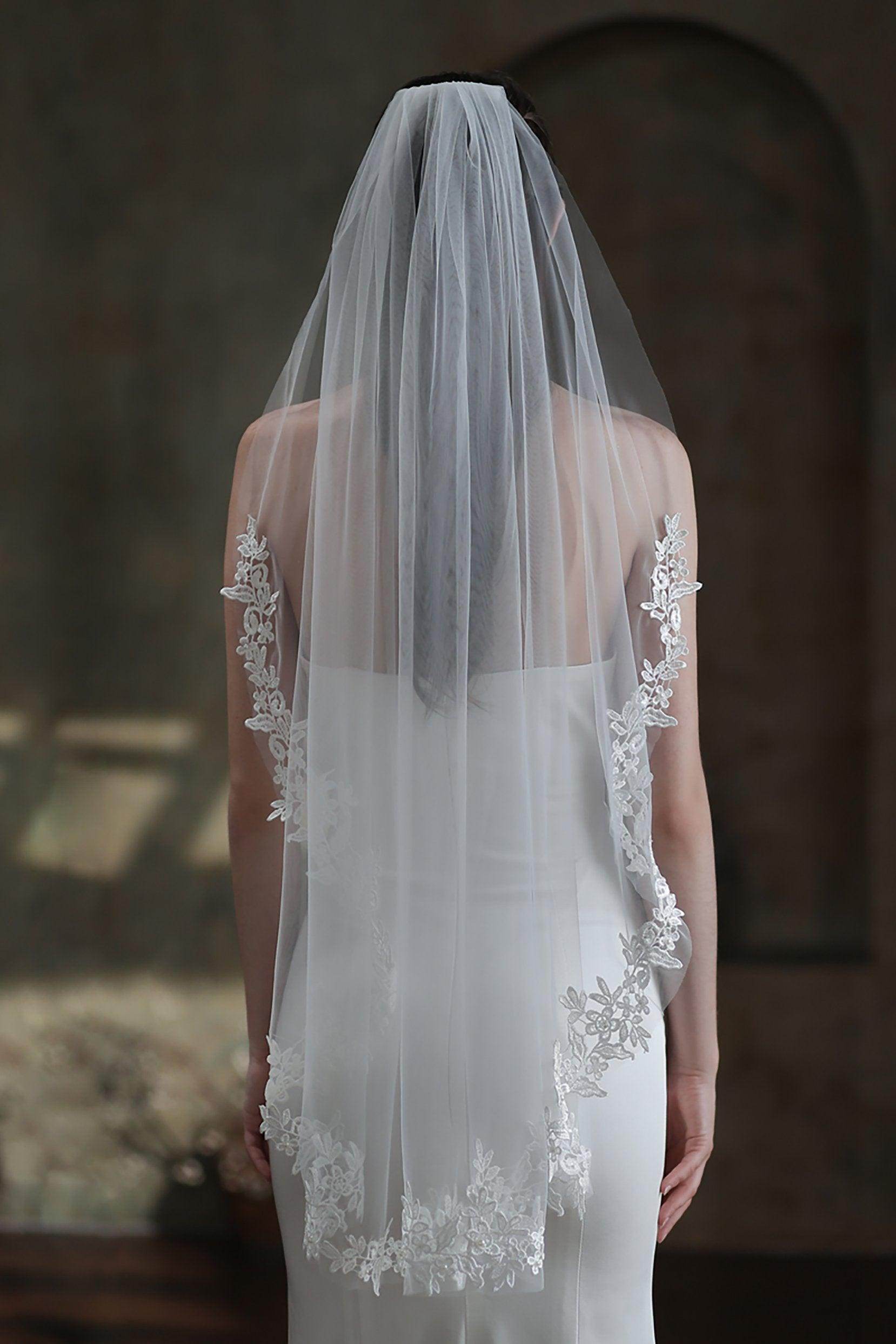
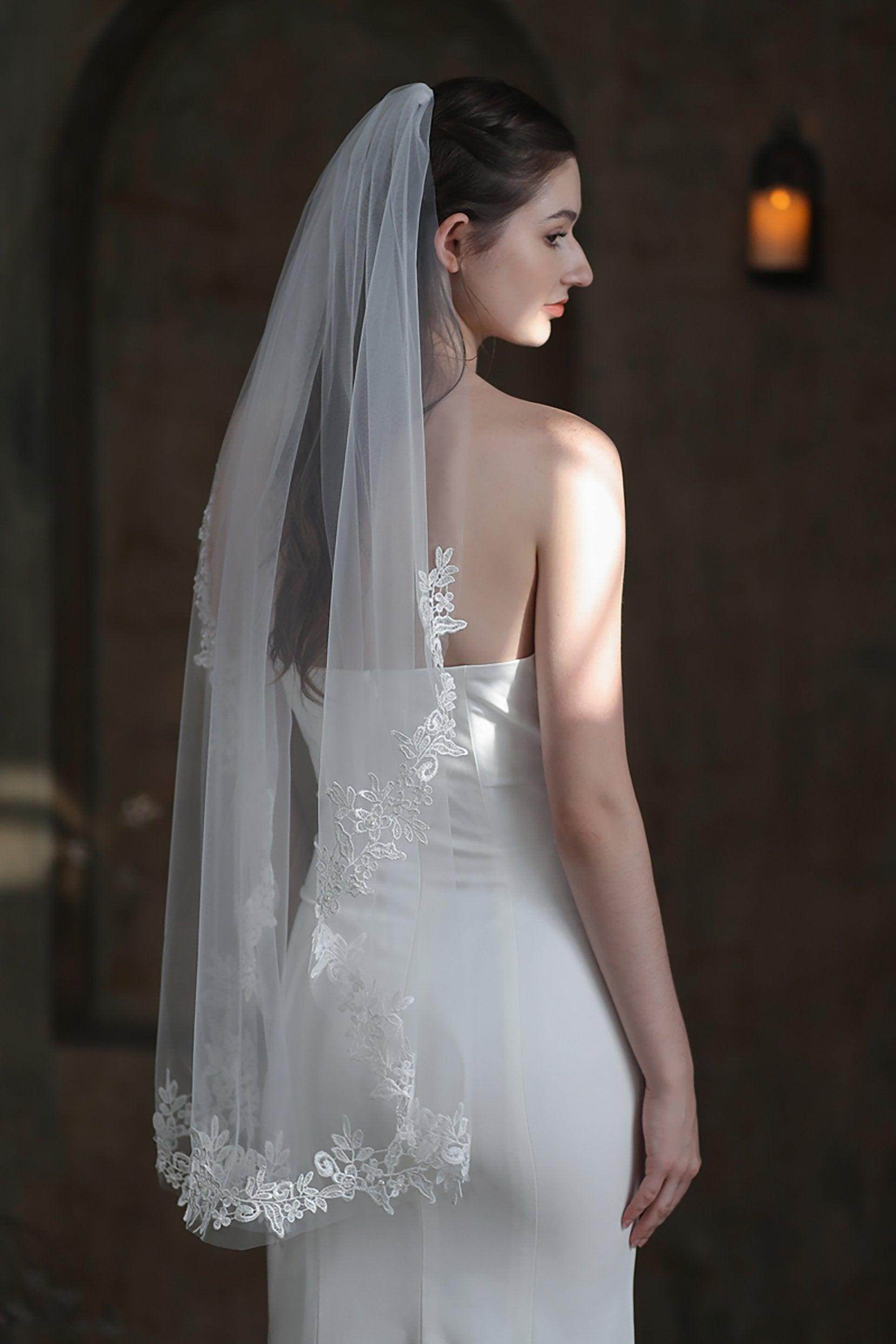
- [pairing a veil and accessories with your dress] to finish the look
Fit, size, and budget. The practical side of buying:
- plus-size wedding dress styles for styles cut and sized for curvier figures
- affordable wedding dresses under $300 for a designer look on a budget
- [last-minute wedding dresses] when the date is close
If you are shopping for someone else in the wedding party rather than the bride, the mother of the bride dress guide works the same way, one decision at a time.
When you are ready to see shapes and fabrics side by side, browse the full wedding dress collection and let the four decisions narrow it for you.
Frequently Asked Questions
How do I choose a wedding dress if I have no idea where to start?
Start with the day, not the dress: your occasion, venue, and level of formality come first. Then use silhouette, fit, and how much you need to move to narrow the options, choose a fabric for your season, and set a budget and timeline. COCOMELODY uses this order as a practical framework, not a fixed rule.
Which wedding dress decision should I make first?
COCOMELODY suggests starting with occasion, venue, and formality, then using silhouette, fit, and movement to narrow the options. Fabric and budget and timeline come after. Silhouette is not a mandatory first step; it is simply easier to settle once the day is clear.
How much does a wedding dress cost on average?
The Knot's annual wedding survey puts the average U.S. wedding dress at around $1,900, though gowns range widely below and above that. Your budget matters less as a single number and more for what it decides: whether you buy custom or ready-to-ship, and how much time you leave for alterations.
What is a wedding dress fitting, and do I need one?
A wedding dress fitting is an appointment where a seamstress adjusts a gown to your body, most often the hem, bust, waist, and bustle. Even a well-fitting dress often needs one or two, which is why fit and alterations belong in your timeline from the start.
Which wedding dress silhouette suits my body type?
No single shape suits one body and rules out another. A-line and ball gown silhouettes work across a wide range of weddings and figures, while fitted shapes like mermaid and trumpet suit brides who want a closer line and do not mind a little less room to move.
Do I have to wear white for my wedding dress?
No. Ivory is a popular alternative to stark white and can look softer against many skin tones, and colored, black, and two-tone gowns are all worn by brides today.
What should I wear to try on wedding dresses?
Wear nude, seamless underwear and bring shoes close to your wedding heel height so lengths read correctly. If you are shopping online instead, accurate measurements help replace part of the fitting-room process.
Where do I start choosing a wedding dress on a tight budget?
Set your range first, then favor simpler fabrics and ready-to-ship styles, which skip the production wait and the added cost of heavy detailing.