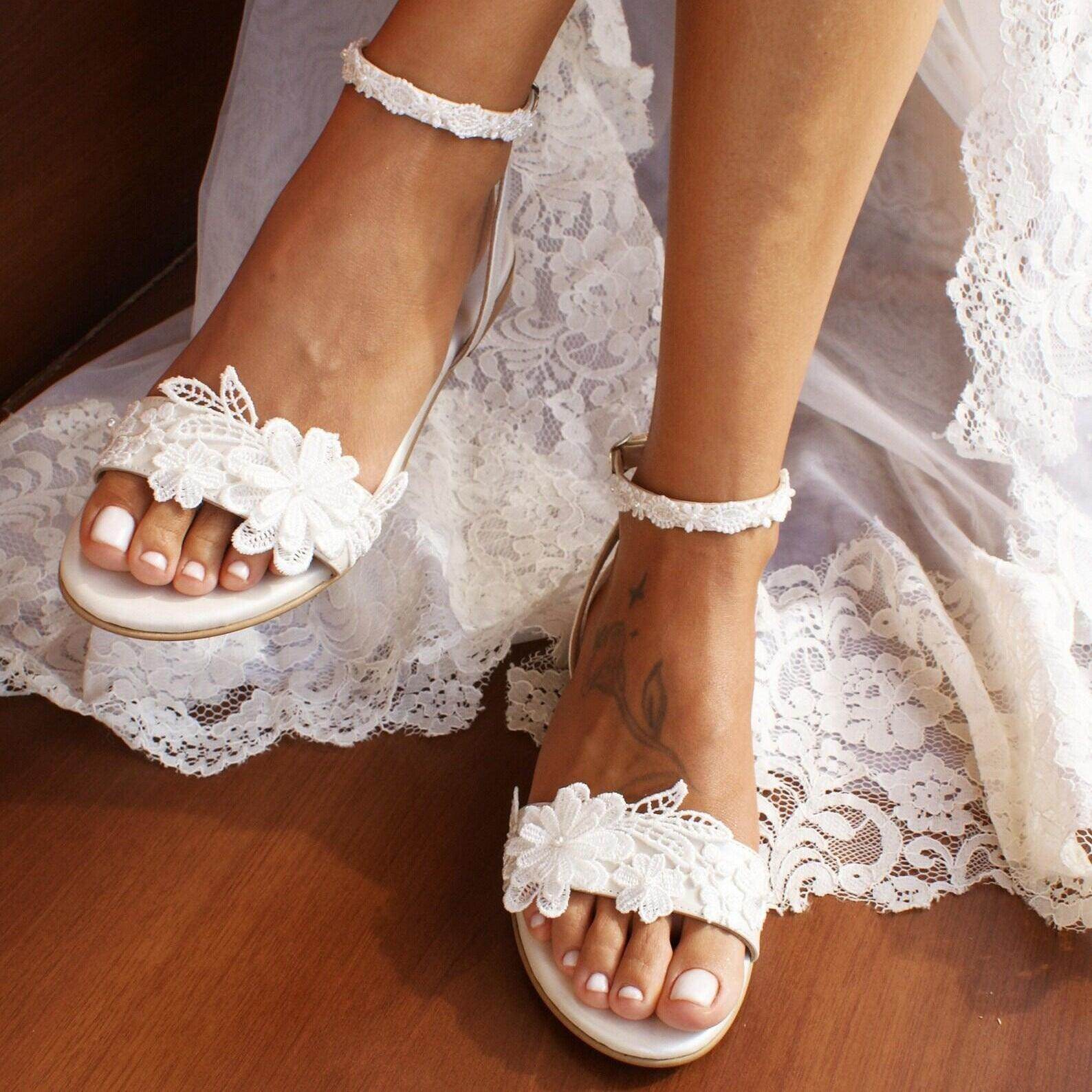
Lace, tulle, and satin are three fabrics brides often ask about. Lace brings texture and romance, tulle brings soft volume, and satin brings a smooth sheen. Once your silhouette is settled, the fabric is what decides how a gown photographs, how it moves, and how it feels through a long day.
Key Takeaways
- Lace and tulle are distinct fabric structures, while satin describes a smooth weave and finish; each can vary greatly in weight, layers, drape, and construction.
- Weight, layers, lining, and cut decide how a gown wears and photographs more than the fabric name does.
- Season and venue narrow the choice quickly, but a heavily layered tulle or a beaded lace can run as warm and heavy as satin.
- Choose lace for visible detail, tulle for softness and volume, and satin for a smooth, modern line, as a starting point rather than a rule.
Brides often arrive with a silhouette in mind and no idea that the fabric will change almost everything about it. After more than two decades of fittings, the pattern is consistent: the same A-line reads romantic in lace, floaty in tulle, and sharply modern in satin.
Knowing how each fabric looks, moves, and wears will get you to the right gown faster than any single photo can.
Lace Wedding Dresses: Romance You Can See Up Close
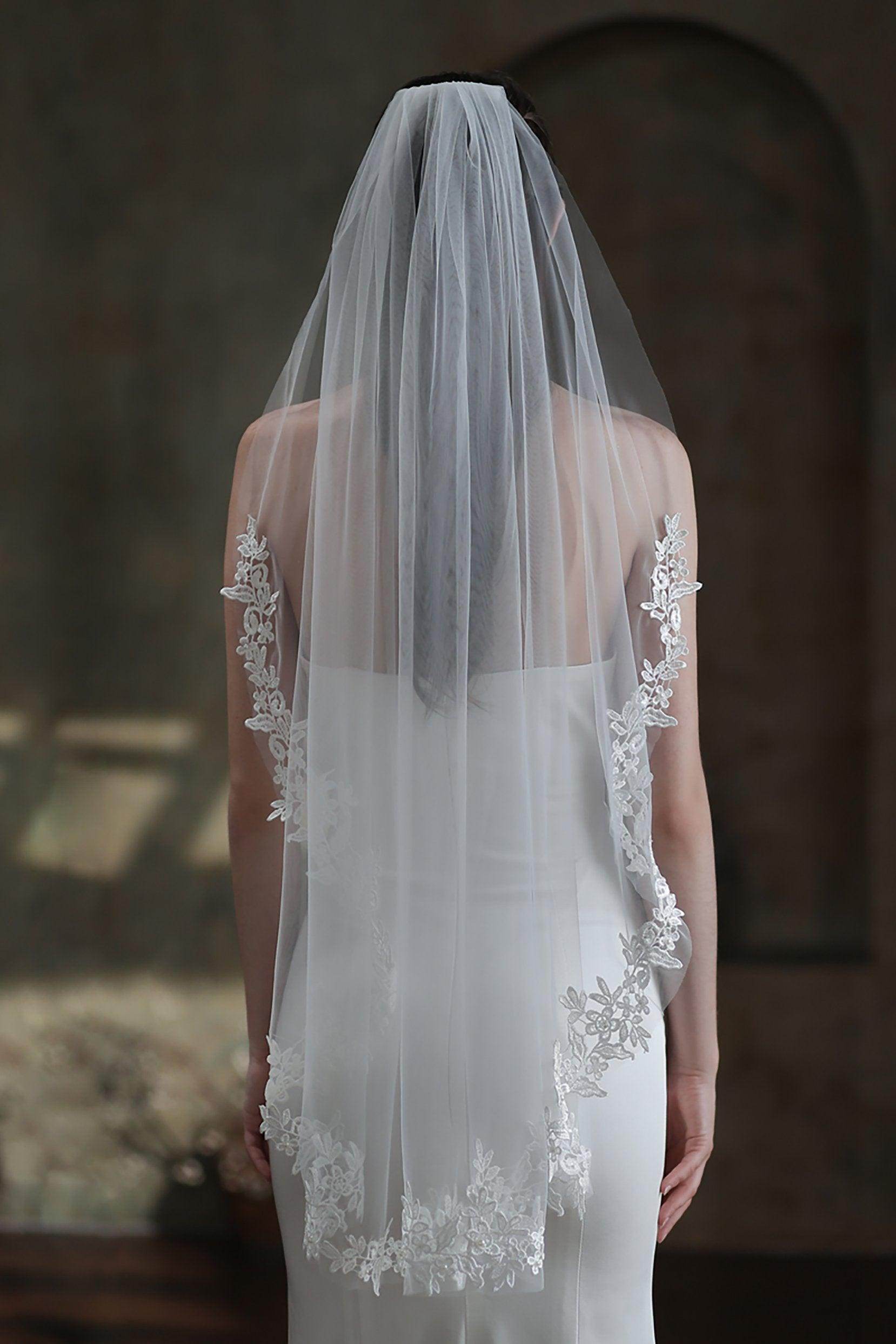
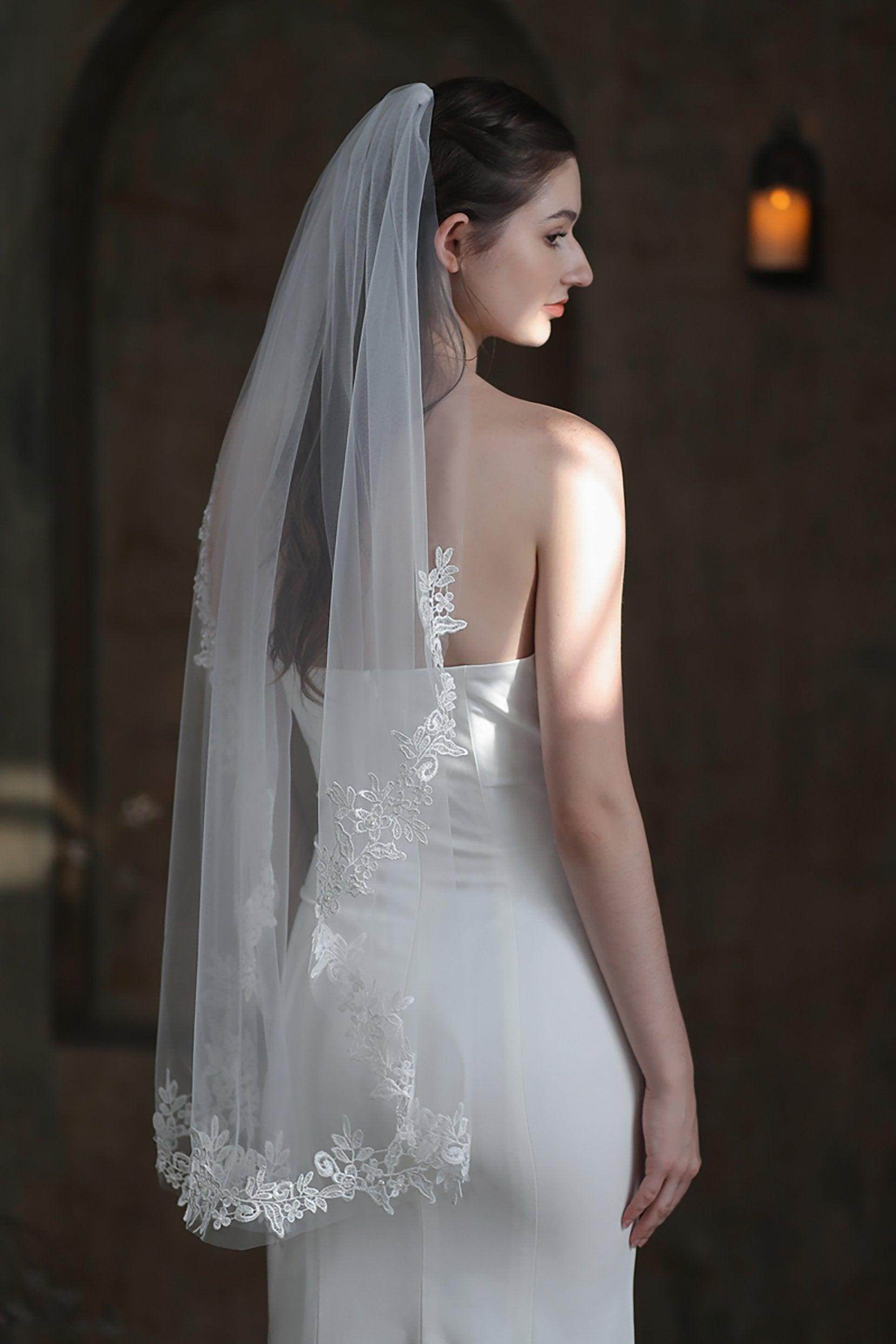
A lace wedding dress uses a patterned, openwork fabric applied over a lining, which adds texture and detail without the weight of heavy beading. Lace is a popular bridal finish because it reads soft and romantic in natural light and works across a wide range of silhouettes, from a fitted sheath to a full A-line.

Lace is a fabric rather than a shape, which is why it turns up on so many gowns. It comes in many forms, from delicate Chantilly to raised Alençon, and each type of bridal lace reads differently up close.
Because it sits over a base fabric and carries the detail, a lace gown can look intricate while still feeling light to wear, and it holds that texture beautifully in daylight. If your taste runs to something softer and unstructured, lace is also the backbone of the free-spirited boho look, where floral patterns and flutter sleeves do most of the work.
Floral Lace
Floral lace works leaf and blossom patterns into the fabric for a romantic finish that photographs with real depth.
It adds detail without stiffness, which is why it sits so well on a gentle A-line flare, and it reads especially clearly in natural light, which keeps it a mainstay for garden and daytime weddings.
Lace Sleeves
Lace sleeves take a gown into a cooler season or a more covered ceremony without changing the silhouette underneath. Long lace or illusion sleeves add coverage and visual detail, while lined lace sleeves can provide additional warmth.
Our long-sleeve lace-and-tulle A-line (style CW3234) shows how that plays out: a high neckline and full lace sleeves worked with beaded appliqué give it a classic, covered elegance, while a natural waist and court train keep the line soft, and it comes in ivory or black.
If more coverage is part of your picture, it is worth seeing how covered and long-sleeve styles change a gown's formality.
Black Lace
Black lace keeps lace's romance but trades softness for edge, photographing with strong contrast that suits an evening or dramatic setting.
Black carries its own etiquette and styling questions, so if this is the direction you are leaning, read what a black wedding dress signals and when it works before you decide.
Satin Wedding Dresses: Smooth, Structured, and Modern
A satin wedding dress has a smooth, lightly reflective surface and, in heavier weights, enough structure to hold a clean line, which makes it a favorite for modern and evening gowns. Satin skims the body and shows the cut clearly, so fit and finish matter more on satin than on a textured fabric like lace.

Satin trades texture for a sheen and a crisp line. Heavier satin holds a silhouette cleanly, which is why it suits formal and evening looks where the shape is the whole point, and it reads richer under evening light than in flat daylight.
Our satin A-line with a court train (style CW3503) shows what the fabric does well: a square neckline and a basque waist give the bodice a clean, defined line, while the court train and a single bow at the back keep it interesting with no surface fuss.
It suits church, hotel, and formal garden ceremonies, and like most satin it rewards a precise fit, because the fabric sits close and shows the cut.
Satin Ball Gown
A satin ball gown uses a heavier, structured satin to build a full, sculpted skirt that holds its shape through the night. Satin gives that skirt a smooth, formal sweep with none of the surface fuss of lace, which is why it reads so classic in a ballroom or cathedral setting.
It suits a bride who wants her drama in the shape rather than the surface.
Slip and Column
A satin slip or column gown is the opposite end of the same fabric: minimal, close to the body, and entirely about the drape.
Here the satin does much of the work, falling in a clean vertical line with no embellishment, which is why this cut shows most clearly how much a plain fabric depends on the quality of its finish.
Tulle Wedding Dresses: Soft Volume That Moves With You
A tulle wedding dress is built for softness and movement: tulle is a fine netting layered over a base to create airy fullness that floats as you walk. Tulle often creates the lightest, airiest visual effect of the three, so it suits romantic, ethereal, and outdoor gowns where you want the skirt to catch the breeze, and a skirt with fewer layers can feel lighter to wear than its shape suggests.
Tulle sits especially well on an A-line, where the soft flare and the floating fabric reinforce each other. One thing to watch is that fine tulle can look sheer under dim, candlelit light, so it favors daytime and outdoor settings.
So Which Fabric Wins? Lace, Tulle, and Satin Compared
There is no single summer fabric or winter fabric. Match a wedding dress to your season and venue by its weight and layers rather than its label: a light, few-layer gown suits warm, outdoor, and daytime weddings, while a structured or heavier one suits formal or cooler-season settings. Because one fabric name can cover both, check the specific gown, not the category.

Start with where and when you are marrying, then read that through weight and layers. A light, few-layer lace or tulle floats through a warm garden ceremony, while a structured, heavier gown holds its shape at a formal or cool-weather event.
The catch is that the fabric name will not tell you which you are holding. It helps to see how the most popular bridal fabrics compare by weight and feel before you weigh them against your date. A rough starting point:
- Lace: light, few-layer lace suits outdoor and daytime weddings, while densely beaded or layered lace is heavier and dressier.
- Tulle: a few tulle layers stay soft and airy for warm settings, but many layers add real volume, weight, and warmth.
- Satin: lightweight satin drapes close for a summer-friendly column, while heavier, structured satin holds a formal, cooler-season shape.
Weight, breathability, and how each fabric ages are where the deeper differences live. For the full picture of how each bridal fabric behaves by weight, stretch, and drape, read the fabric guide alongside this one.
What Two Decades of Fittings Taught Us About Fabric
Based on COCOMELODY's internal net sales from January 1 to August 30, 2026, gowns identified in their titles as lace-and-tulle accounted for approximately 37.7% of wedding-category net sales, the largest single fabric grouping.
Most guides describe lace, tulle, and satin as if the choice were purely about taste. Our read comes from what happens after the order ships: which gowns brides keep and which are returned because of weight or color, and where a gown that looked right on screen lands differently in the hand.
The two styles in this guide, the long-sleeve lace-and-tulle CW3234 and the clean satin CW3503, appear as representative fabric constructions rather than best-sellers: they show how differently two popular fabrics behave on the same A-line frame.
One fabric myth is worth correcting directly. Satin does not automatically mean heavy. Satin refers to a weave that creates a smooth finish; it is not a fixed weight, so a slim, lightweight satin gown can weigh less than a heavily layered tulle dress. Judge weight by the gown in front of you, not by the fabric's name.
💡 COCOMELODY Tip: Before you commit to a fabric online, check three things a single photo hides: how many layers the skirt carries, whether the lace or tulle is lined or sheer, and how the true color compares with your screen. Those shape how a gown feels and looks on the day more than the fabric name.
After years of shipping lace, tulle, and satin gowns, our team has found that two dresses in the very same fabric can wear completely differently. The fabric name is where a bride's choice starts, not where it ends, which is why weight, layers, lining, and cut are what we check first.
Find Your Dress by Fabric at COCOMELODY
Lace, tulle, and satin each ask something different of the wearer, and a single photo rarely tells you how a fabric falls once you are walking, sitting, and dancing in it. Whether a fabric works usually comes down to its weight in your season, how its surface reads in your venue's light, and how cleanly the gown is cut.
When you can see lace, satin, and tulle gowns next to one another, browse the lace wedding dress collection to watch how styles like CW3234 and CW3503 actually hang and move rather than how they sit in a flat image.
And if fabric is only one of several decisions still open, the four decisions behind choosing a wedding dress helps you weigh it against silhouette, formality, and budget.
Frequently Asked Questions
What is the difference between lace, tulle, and satin wedding dresses?
Lace is a patterned, textured fabric applied over a base for a romantic, detailed surface; tulle is a fine netting layered for soft, airy volume; and satin is a smooth, lightly reflective weave that, in heavier versions, holds a clean, structured line. In short, lace gives you detail, tulle gives you softness, and satin gives you a smooth, modern finish.
Which wedding dress fabric is best for a summer wedding?
For a warm or outdoor summer wedding, look at the gown's weight, layers, lining, breathability, and cut rather than the fabric name alone. A light, few-layer lace or tulle gown and a lightweight satin slip can both wear comfortably in the heat, while a heavily layered tulle skirt, densely beaded lace, or a heavier, structured satin will feel warmer. Check the specific gown's layers and lining before you decide.
What is floral lace on a wedding dress?
Floral lace is lace worked into leaf and blossom patterns rather than a plain or geometric design. It adds soft texture and depth that photographs well in natural light, which makes it a popular lace style for garden, outdoor, and romantic weddings.
Do lace and tulle wedding dresses need a lining?
Lace and tulle are often sheer on their own, so gowns made from them usually sit over a lining, which sets both how opaque the dress is and the color you actually see. Because the lining drives coverage and shade, check whether a gown is fully lined and what color the lining is before you order, especially for lace or a lighter tulle.